Produktbeschreibung:
Molas 3D ist ein fortschrittliches dreidimensionales Doppler-Windmess-Lidar. Es arbeitet nach dem Prinzip der gepulsten Laser-Kohärenz-Doppler-Frequenzverschiebung und ermöglicht eine hochpräzise Windgeschwindigkeitserfassung.
Dieses Lidar-System unterstützt mehrere Scanmodi, darunter P-Pl, RHl, DBS und Programms-Scanning. Diese Vielseitigkeit ermöglicht es, sich an verschiedene Messanforderungen und Umgebungen anzupassen.
Molas 3D eignet sich hervorragend für eine Vielzahl von kundenspezifischen Windgeschwindigkeitsmessanwendungen. Dazu gehören die Bewertung von Offshore-Windressourcen, die Forschung in komplexen Geländen und die Erkennung von Windturbinen-Nachläufern.
Darüber hinaus ist es effektiv bei der Warnung vor Windscherung auf der Anflugbahn von Flughäfen, bei städtischen meteorologischen Beobachtungen und bei der Erkennung von Turbulenzen in großer Höhe. Seine multifunktionalen Fähigkeiten machen es zu einem unverzichtbaren Werkzeug in der modernen meteorologischen und Umweltüberwachung.
Merkmale:
Das System bietet reichhaltige Messinformationen mit der Fähigkeit, verfeinerte 3D-Windfeldmessungen durchzuführen. Es unterstützt bis zu 300 anpassbare Distanzebenen, was eine detaillierte und präzise Überwachung ermöglicht.
Mit einem großen Erfassungsbereich kann es die Sichtweite bis zu 10 Kilometer in einer Höhe von 600 Metern überwachen. Diese ausgedehnte Reichweite gewährleistet eine umfassende Abdeckung für verschiedene Anwendungen.
Hohe Präzision ist ein Hauptvorteil, mit einer Zielgenauigkeit von 0,005° und einer visuellen Richtungs-Windgeschwindigkeitsgenauigkeit von 0,1 m/s. Diese Präzision garantiert eine zuverlässige und genaue Datenerfassung.
Das Gerät unterstützt verschiedene Scanmethoden, darunter PPl, RHl, DBS und programmierbare beliebige Scantechniken, und bietet so Flexibilität, um unterschiedlichen Messanforderungen gerecht zu werden.
Das Gerät wurde für einen flexiblen Einsatz konzipiert und ist klein und leicht, wodurch es einfach zu transportieren und in verschiedenen Umgebungen oder Konfigurationen zu installieren ist.
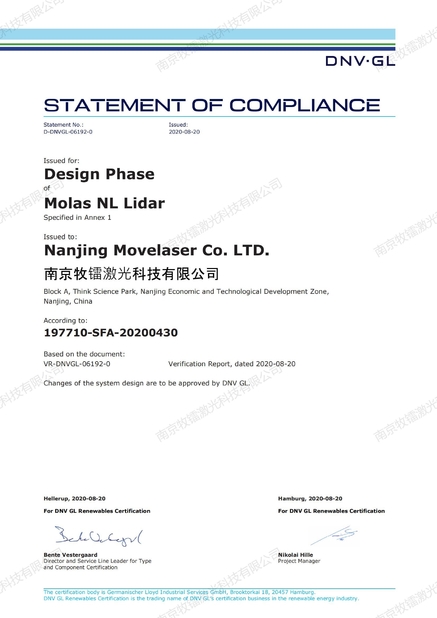
Es ist für den Allwetterbetrieb ausgelegt und kann rauen Außenbedingungen standhalten. Das Gerät verfügt über Überlebensfähigkeitszertifizierungen in LPz0- und Blitzschutzzonen, was die Haltbarkeit gewährleistet.
Die Sicherheit wird mit integrierter GPS-Standortmeldung und Geo-Fencing-Funktionen priorisiert. Darüber hinaus wird eine Datenverschlüsselung implementiert, um jedes Risiko eines Informationsverlusts zu verhindern.
Benutzer können aus mehreren Konfigurationsoptionen wählen, darunter vier verschiedene Distanzauflösungen und fünf Akkumulationszeiten, was eine kundenspezifische Leistung basierend auf spezifischen Anforderungen ermöglicht.
Technische Parameter:
|
Lagerfeuchtigkeit
|
0 %~100 % relative Luftfeuchtigkeit, keine Kondensation
|
|
Gewicht
|
≤100kg
|
|
Vertikale Messentfernung
|
4km
|
|
Maximale Erfassungsentfernung
|
15km
|
|
Größe
|
756 mm × 735 mm × 1000 mm
|
|
Sichtweite
|
10km
|
|
Datenausgabe
|
Profibus DP / Modbus TCP / CAN Optional
|
|
Akkumulationszeit
|
0,2 ~ 10s Optional
|
|
Sicht-Windgeschwindigkeitsbereich
|
-75 ~ +75 m/s
|
|
Scanmethode
|
PPI, RHI, DBS und Programms-Scan
|
Anwendungen:
Die Bewertung von Windressourcen umfasst die Messung von Windfeldinformationen über große Gebiete, was dazu beiträgt, Risiken im Zusammenhang mit der Standortauswahl für Windenergieprojekte zu reduzieren. Dieser Prozess stellt sicher, dass optimale Standorte ausgewählt werden, um die Energieproduktion zu maximieren.
Langstrecken-Leistungskurvenmessung und die Untersuchung von Nachlaufwirbelströmen spielen eine entscheidende Rolle bei der Optimierung der Windenergienutzung. Durch die Analyse dieser Faktoren ist es möglich, die Effizienz einzelner Windkraftanlagen zu steigern, was zu einer besseren Gesamtleistung führt.
Früherkennung und Warnsysteme sind unerlässlich, um gefährliche meteorologische Phänomene wie Windscherung und Mikroausbrüche zu identifizieren. Diese Systeme erhöhen die Sicherheit, indem sie rechtzeitig Warnungen ausgeben, um Risiken im Zusammenhang mit plötzlichen Wetteränderungen zu mindern.
Die Messung von Nachlaufwirbeln ist für die Optimierung der Flugzeugtrennung an Flughäfen unerlässlich. Genaue Daten über diese Wirbel ermöglichen ein verbessertes Verkehrsmanagement und erhöhen so die Sicherheit und Effizienz im Flughafenbetrieb.
Die Bereitstellung detaillierter Windfeldinformationen ist grundlegend für das Verständnis des Windzustands innerhalb der Grenzschicht. Dieses Wissen unterstützt verschiedene Anwendungen, einschließlich Wettervorhersage und Umweltüberwachung.
Der Zugang zu genauen und hochauflösenden räumlich-zeitlichen Windprofildaten innerhalb weniger Kilometer von der Erdoberfläche behebt den Mangel an Beobachtungen in geringer Höhe. Solche Informationen füllen kritische Lücken und erhöhen die Präzision von Windbewertungen.
Echtzeit-Dreidimensionalinformationen über die Ausbreitung von Schadstofffahnen ermöglichen eine effektive Verfolgung von Emissionsquellen. Diese Fähigkeit ist für die Umweltüberwachung und die Bewältigung der Umweltverschmutzung unerlässlich.
Darüber hinaus ist die Optimierung der Staubemissionskontrolle besonders wichtig für die Bergbauindustrie. Die Implementierung fortschrittlicher Überwachungstechniken hilft, die Umweltbelastung zu minimieren und die Einhaltung von Vorschriften sicherzustellen.


 Ihre Nachricht muss zwischen 20 und 3.000 Zeichen enthalten!